When a post-menopausal patient comes in asking about bone health, estrogen is usually the first conversation. And for good reason: estrogen decline is one of the most well-established drivers of bone loss after menopause.
But there’s another piece of this puzzle that doesn’t get nearly enough attention: serotonin.
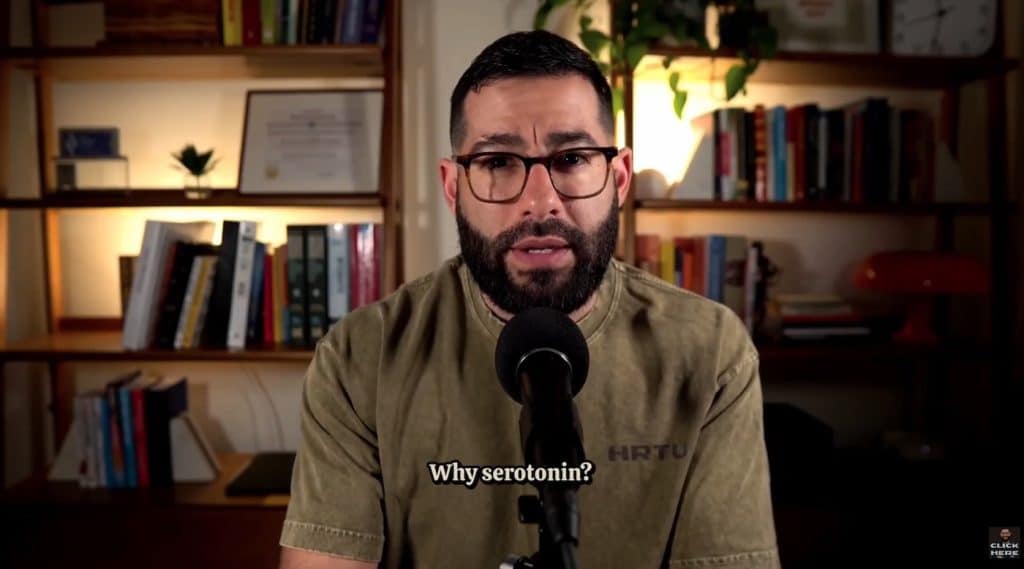
In this episode, Nico Misleh, NP walks through emerging research that connects elevated peripheral serotonin levels to accelerated bone loss in post-menopausal women, and what that means for how we think about long-term hormone management.
The Serotonin and Bone Loss Connection Most Providers Miss
Most people, including many clinicians, think of serotonin primarily in the context of mental health. But serotonin is a systemic signaling molecule. It plays roles in gut function, vascular tone, metabolic regulation, and bone remodeling.
That last one matters here.
Elevated serotonin in peripheral tissues appears to accelerate bone turnover, tipping the balance toward breakdown rather than formation. The result, over time, is progressive bone loss and an increased risk of osteoporosis.
What the Research Found
A June 2025 study evaluated more than 300 post-menopausal women, comparing circulating serotonin markers against bone mineral density measurements.
The findings were notable:
- Women diagnosed with osteoporosis had significantly higher peripheral serotonin levels than women with normal bone density
- Serotonin levels tended to rise with longer post-menopausal duration, suggesting a cumulative contribution to bone loss over time
- The longer a woman had been post-menopausal, the greater the observed bone loss
This isn’t a causal claim yet, but the association between serotonin and bone loss is strong enough to warrant attention in clinical practice.
Why Post-Menopausal Women Are at Greater Risk
Estrogen and progesterone both play protective roles in bone metabolism. As these hormones decline after menopause, the systems they were previously modulating, including serotonin signaling, may become less regulated.
In other words, the hormonal environment that once kept peripheral serotonin in check may no longer be functioning the same way. Without that regulatory buffer, serotonin’s impact on bone remodeling becomes more pronounced and bone loss accelerates.
This is exactly why a single-marker approach to osteoporosis falls short. Bone loss is the downstream result of multiple overlapping hormonal and metabolic systems, and serotonin appears to be one of them.
What This Means for Your Patients
This research doesn’t change the fundamentals of post-menopausal bone care. Hormone evaluation, lifestyle factors, and metabolic health still form the foundation of any thoughtful approach.
But it does raise a useful clinical question: are we capturing the full hormonal picture when we assess bone loss risk?
For women with elevated fracture risk or unexplained bone loss, a more comprehensive hormonal and metabolic evaluation (one that goes beyond estrogen) may surface patterns that a standard workup would miss.
Key Takeaways
- Elevated peripheral serotonin is associated with accelerated bone loss in post-menopausal women
- Serotonin levels appear to increase the longer a woman remains post-menopausal
- Estrogen and progesterone decline may reduce the regulatory check on serotonin’s impact on bone
- Bone loss requires a multi-system view, not just estrogen
- Emerging research continues to deepen our understanding of hormonal complexity after menopause
Frequently Asked Questions
What is the connection between serotonin and bone loss?
Elevated peripheral serotonin appears to increase bone turnover, causing breakdown to outpace formation. Over time, this contributes to declining bone mineral density and increased osteoporosis risk, particularly in post-menopausal women.
Does serotonin cause bone loss?
Current research shows a meaningful association between higher peripheral serotonin levels and greater bone loss, but causation hasn’t been fully established. More research is needed to understand the precise mechanism.
Should serotonin levels be tested in post-menopausal patients?
This depends on individual clinical context. Providers evaluating bone loss risk may consider broader hormonal and metabolic panels rather than relying on a single marker. Discuss testing strategies with your clinical team based on each patient’s history and presentation.
Links Mentioned in This Episode
June 2025 study on serotonin and bone loss risk: https://pubmed.ncbi.nlm.nih.gov/40757575/HRT University: https://hrtuniversity.com