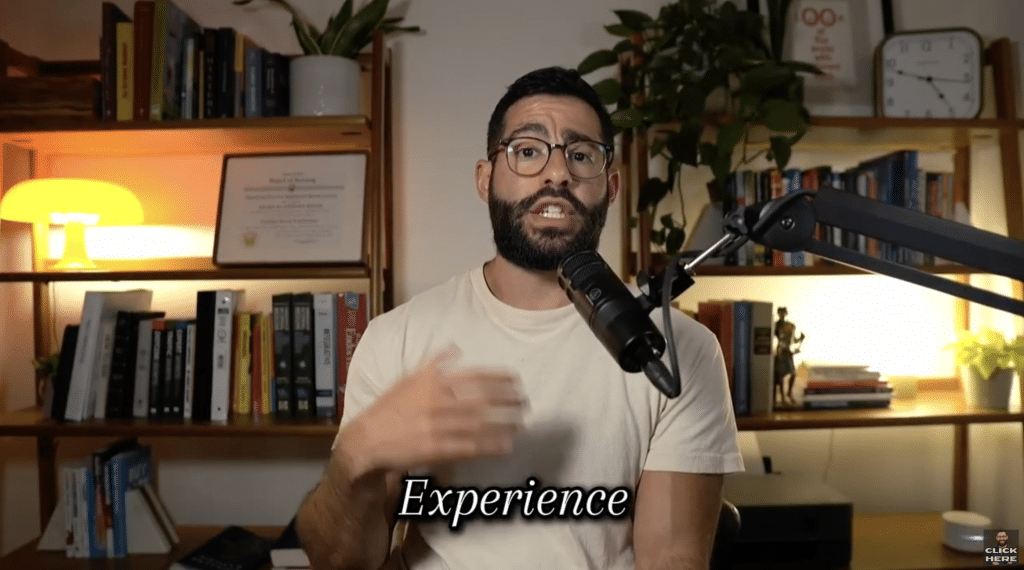
In this solo podcast episode, Emily Beal takes over for Nico Misleh to deliver a practical playbook for HRT clinics that want to grow an engaged email list. Emily lays out simple, repeatable tactics to attract the next 100 email opt ins using both online and offline methods. Her approach focuses on clarity, permission, and low-friction capture points so clinics can build a reliable audience that actually reads their messages.
Why building an email list matters for HRT clinics
Email is a long game. Emily makes a clear case that a healthy email list is worth more than a large but disengaged audience on social media. Emails land in people’s personal inboxes. That equals a direct line to the people you want to serve. But that access is also a responsibility. Emily stresses that clinics must earn permission, deliver value consistently, and never take emails for granted.
Emails are personal. Earn the right to be there by delivering content people actually care about.
Start by writing about what matters
The first step Emily recommends is simple and often overlooked. Before you add opt in forms and QR codes, make sure you are writing content that deserves people’s attention. That means:
- Addressing real pain points your clients face
- Offering clear, practical takeaways rather than vague summaries
- Targeting the language and benefits to a specific audience segment
For example, instead of a generic promise like “weekly HRT information,” Emily suggests a benefit-focused line that leads with a result, such as “helping dads get their edge back in two minutes a week.” The goal is to communicate why someone should spend their inbox time on your emails.
Consistency beats flashy tactics
Emily warns against chasing viral moments. Social media can give the illusion of overnight success, but email marketing requires consistency. Clinics should commit to delivering on whatever frequency or promise they make. Slow steady growth with engaged subscribers is far more valuable than a big list full of people who never open messages.
Permission matters: never add people without consent
One nonnegotiable rule Emily emphasizes is to never manually add people to your email list without their explicit permission. Doing so creates unengaged subscribers and damages deliverability and open rates. Quality over quantity should guide your list-building strategy.
Reduce barriers to sign up
Make joining the email list as easy as possible. Emily outlines practical places to add opt in points and how to reduce friction:
- Embed opt in forms across your website, not just on a single page
- Use a pop up timed to appear after a visitor spends 15 to 20 seconds on a page
- Place a simple form or call to action on high traffic pages
Putting the opt in everywhere means fewer lost opportunities. Visitors who find your clinic through search are unlikely to return to your site without a reason to, so capture them while you have their attention.
Make your messaging specific and compelling
Generic calls to action do not convert. Emily shows how to turn a bland invite into a focused benefit statement. Instead of saying “sign up for my email list,” try statements that:
- Target a persona, such as men over 40, busy moms, or people starting HRT
- Lead with an outcome or pain point
- Promise a clear, deliverable benefit like quick tips, myth-busting, or weekly coaching
Clarity matters because readers have short attention spans and many competing email options. Be explicit about what they will get and why it is worth their time.
Rethink freebies and lead magnets
Emily challenges the assumption that you must give away a downloadable guide to get opt ins. Lead magnets worked well in the past, but the market is saturated. Lots of people sign up just to grab a free PDF and then never engage again. Instead, Emily suggests testing non-freebie messaging that attracts people who are genuinely interested.
That could mean a simple, bold one-line promise in the pop up or bio that makes it clear who the newsletter helps and what it delivers. Fewer freebies can mean higher quality subscribers.
Social media: one clear call to action
When using social platforms, Emily recommends focusing your bio and link in bio on a single action. Too many options will paralyze visitors. Pick your most important conversion, such as newsletter sign ups, and make that the primary object of attention.
If you rely on a pop up on your website to capture emails, it is fine to link to your website from social media and let the pop up do the work. The key is to remove decision fatigue for the visitor.
Use QR codes and physical marketing to capture in-person leads
For clinics that meet people face to face, Emily gives a high-impact suggestion: add a QR code to business cards and printed materials that goes straight to your newsletter opt in. People often discard business cards. A QR code gives them a quick action they can do right then and there. Emily recommends:
- Generating QR codes easily in design tools like Canva
- Placing QR codes on business cards, flyers, office signs, and event materials
- Giving a short instruction like “Scan to get weekly inbox tips” to encourage action
This tactic lowers the friction of capturing email addresses during real life interactions.
Encourage sharing and include the opt in link in every email
Each email is a small piece of marketing itself. Emily advises adding a line at the bottom that encourages readers to forward the message to someone who might benefit. Critically, include the opt in link inside the email. That way, when a reader forwards an email, the recipient can immediately join the list themselves.
Collaborate locally with newsletter swaps
Offline collaboration is often overlooked. Emily recommends partnering with local businesses that serve similar clients. Examples include gyms, physical therapists, and salons. A newsletter swap works well: each business highlights the other in their own newsletter, acting as a targeted referral instead of mass advertising.
This is not about exchanging email lists. It is an advertising swap: you share a blurb and opt in link in each other’s newsletters. The benefit is reaching a targeted, local audience that is more likely to become a patient.
Ask for emails in your clinic
One of the simplest strategies is to ask in person. Emily suggests multiple low-tech capture points:
- Add a checkbox on intake or onboarding forms for newsletter opt in
- Train reception staff to ask new arrivals if they would like to join the email list
- Leave a clipboard with a sign up sheet at the front desk
These direct asks turn real-life trust into permission to email. Even existing patients can become valuable referrers if they love your content and forward it to friends or family.
Measure, test, and refine
Finally, Emily encourages clinics to experiment and track what works. Test different pop up messaging, try a QR code on business cards, or run a newsletter swap with a local partner. Look at open rates and click rates to gauge engagement rather than raw subscriber counts. A small list of engaged readers is far more powerful than a large list that ignores you.
Conclusion
Growing an email list for an HRT clinic is not glamorous, but it is both strategic and achievable. Emily’s approach focuses on permission-based growth, clear messaging, and a mix of online and offline capture points. The next 100 opt ins will come faster if clinics reduce friction, speak directly to a target audience, and deliver consistent value.
Start small, implement one or two of these tactics this week, and measure results. Over time you will build a reliable audience that reads your content, trusts your clinic, and converts at a higher rate than any passive social media follower ever will.
Creative CTA
If you want to see consistent daily content that follows the same clarity and value principles Emily recommends, consider joining Nico Misleh NP’s Daily Newsletter. It is daily, practical, and people stay subscribed. Sign up at this link to get the daily inbox habit: https://nicomislehnp.com/
FAQ
Q: Do I need a fancy lead magnet to get email opt ins?
No. Emily explains that lead magnets are no longer a requirement. In many cases, a clear benefit-driven message will attract more engaged subscribers than another downloadable guide that people grab and forget.
Q: Is it okay to add current patients to the list?
Yes, but only with permission. Add an opt in checkbox on intake forms or ask reception to confirm interest. Never add someone without consent.
Q: Where should I put opt in forms on my website?
Embed forms across high-traffic pages and use a timed pop up to capture visitors who land on your site. Make the message specific to a target audience and promise a clear benefit.
Q: How can I use social media to grow my list?
Keep one clear call to action in your bio. Either link to your website where a pop up captures emails or link directly to your opt in page. Avoid overwhelming visitors with too many link choices.
Q: What are newsletter swaps and how do I start one?
Newsletter swaps are local collaborations where businesses promote each other in their newsletters. Reach out to complementary businesses in your area, propose a simple blurb swap, and track conversions.
Q: How do I measure whether my list growth strategy is working?
Track opt in conversion rates, open rates, and click rates. Focus on engagement metrics instead of total subscriber count. If people open and click, your list is healthy.
Next Steps
Join Nico’s daily newsletter for actionable tips and clinical strategies delivered Monday through Friday. Sign up at https://nicomislehnp.com/ now.