Starting an independent healthcare practice is both exciting and intimidating. Many providers dream of practicing medicine on their own terms, but the path to independence requires careful planning, persistence, and a strong commitment to patient care.
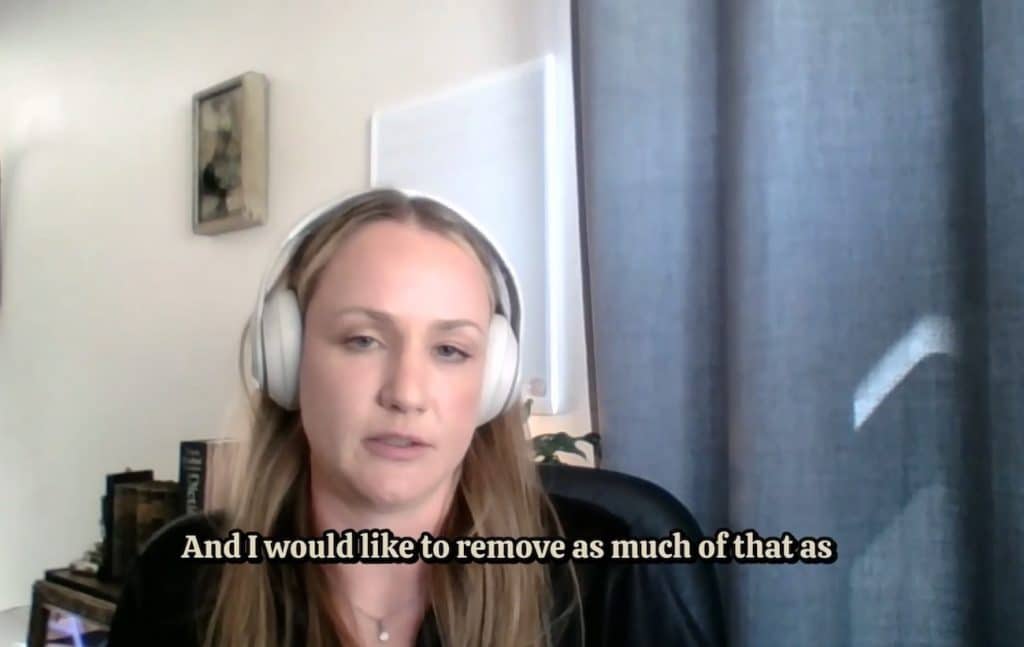
In this episode, Nico Misleh speaks with Nurse Practitioner Katie Edge about her journey toward opening her own healthcare practice. Her story highlights the realities of transitioning from traditional employment into independent practice while navigating regulations, partnerships, and personal growth.
Meet Katie Edge
Katie Edge is a Nurse Practitioner based in California whose career began in emergency medicine. After graduating from an ADN program in 2014, she gained extensive clinical experience while developing a deeper understanding of the limitations within traditional healthcare systems.
Her long-term vision centers on creating a practice focused on individualized patient care and long-term health optimization.
The Vision Behind Her Practice
Katie’s goal is to create a healthcare environment that moves beyond quick visits and symptom-based treatment. Her planned practice will focus on hormone replacement therapy, preventative medicine, and lifestyle-based health optimization.
This model emphasizes:
- Personalized treatment plans
- Root-cause evaluation
- Lifestyle and nutritional strategies
- Long-term patient relationships
Her vision reflects a growing shift toward patient-centered healthcare.
The Personal Motivation Behind Her Journey
Katie’s pursuit of independent practice was influenced by her own personal health challenges. Following postpartum hormonal changes, she experienced symptoms that were not fully addressed within traditional care settings.
This experience shaped her understanding of patient advocacy and reinforced the importance of listening closely to patients.
Her journey illustrates how personal experiences can influence professional direction and fuel a commitment to better patient outcomes.
Challenges in Starting a Healthcare Practice
Opening a healthcare practice involves more than clinical knowledge. Regulatory and legal requirements play a significant role, especially for nurse practitioners.
In California, nurse practitioners are required to work with a collaborating physician, which adds another layer of complexity to the process.
Katie approaches this challenge methodically, ensuring that she understands all requirements before moving forward.
The Importance of Research and Preparation
One of the strongest themes in this discussion is preparation. Katie emphasizes that providers should take time to thoroughly research the logistics involved in starting a practice.
This includes:
- Understanding state regulations
- Securing physician collaboration when required
- Planning financial structure
- Evaluating operational needs
- Identifying business support resources
Doing the work upfront reduces costly mistakes later.
Lessons for Aspiring Practice Owners
Katie’s experience offers valuable guidance for other providers considering independence.
Follow Your Passion
Starting a practice requires long-term commitment. Having a clear purpose helps maintain momentum during challenging phases.
Understand Your State Requirements
Every state has unique regulatory rules. Knowing these requirements early prevents delays and compliance issues.
Advocate for Patients
Patient-centered care should remain the foundation of every practice. Providers who prioritize patient outcomes build stronger trust and retention.
Seek Mentorship
Guidance from experienced providers can shorten the learning curve and help avoid common mistakes.
Conclusion
Opening an independent healthcare practice is a major professional milestone. It requires determination, patience, and a willingness to navigate complex systems.
Katie Edge’s journey highlights both the challenges and the opportunities that come with pursuing independence. Her story demonstrates that with careful planning and a clear vision, providers can create practices that deliver meaningful and personalized care.
For healthcare professionals considering this path, the most important step is beginning with research, mentorship, and a strong commitment to patient advocacy.
Key Takeaways
- Independent practice requires careful planning and persistence
- Personal experiences often shape clinical passion
- Regulatory requirements must be thoroughly understood
- Research reduces risk and improves long-term outcomes
- Patient-centered care should guide practice development
Frequently Asked Questions
What are the first steps to starting a healthcare practice
Begin by researching legal requirements in your state, developing a business plan, and identifying necessary partnerships.
How do nurse practitioners navigate collaborating physician requirements
This varies by state. Providers should consult legal professionals familiar with local healthcare regulations.
What should define a strong practice philosophy
A strong philosophy prioritizes patient care, individualized treatment, and long-term health outcomes.