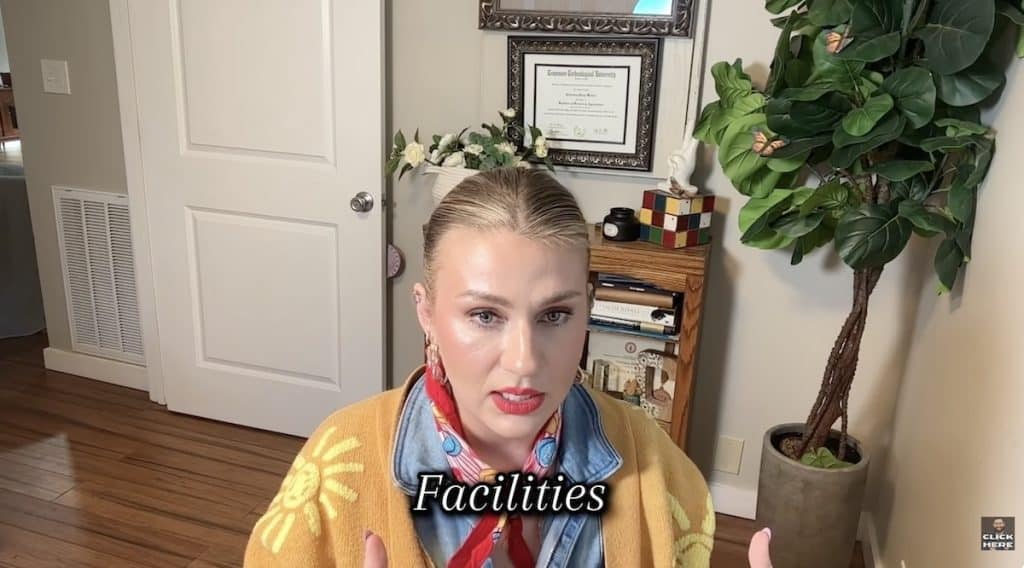
On this episode of the Nico Misleh Podcast, Nico sits down with attorney Courtney Walker to unpack how providers in aesthetics, wellness, and cash-based clinics can run safer, smarter practices. The conversation moves from Courtney’s unlikely path to law, to a practical framework that helps clinicians avoid regulatory disasters while still serving patients.
Why Legal Clarity Matters For Private-Pay Healthcare
Courtney explains that the law is not meant to be mysterious: it can be translated into a simple logic tree that leads to clinical decisions. For providers who offer prescription or injectable therapies, there are only three lawful sources for medications: an FDA-approved manufacturer, a 503A compounding pharmacy, or a 503B outsourcing facility. If a product comes from anywhere else, that is an immediate red flag.
The bigger risk is not only regulatory exposure but professional liability. When clinicians prescribe off-label or use products not vetted through lawful channels, they put their license, reputation, and patients at risk. Courtney frames this as a two-step check: first, verify the lawful source; then make a clinical rationale that stands up under scrutiny.
Peptides: The Wild West and How to Approach Them
Peptides currently occupy a murky space. Many popular peptides are listed by regulators as research-use-only and have not cleared human clinical trials. Some vendors attempt to skirt rules with labels like “physician use only”. A claim Courtney calls meaningless and risky. If a product is labeled research-use-only or not supplied by one of the three lawful channels, clinicians should not use it as a prescription product.
When a compounding pharmacy does supply a peptide, the responsibility does not disappear. Providers should vet the pharmacy, confirm its certifications, and be ready to explain why the peptide is clinically justified for that patient. If clinicians cannot make that clinical case themselves, they should not prescribe the product.
The Difference Between Emergency Legal Care and Preventative Legal Care
Courtney argues the legal industry too often operates like an emergency room: frantic, reactive, and expensive. Her solution is a preventive model tailored for private-pay healthcare: a six-month cohort called the Residency. The goal is to provide front-loaded legal education, templates, and weekly implementation sessions so providers build compliant operations before they face a crisis.
The Residency is designed so clinicians and business owners can leave the cohort confident in their systems. They should only need Courtney for true emergencies after that. This approach reduces costly mistakes, prevents bad outcomes, and helps teams run smoothly without depending on an attorney for every decision.
Practical Business and Legal Advice, Courtney Gives Regularly
- Vet your suppliers. Confirm pharmacies and vendors are legitimate and can document their approvals and processes.
- Build a clinical justification for any off-label or novel therapy and document it. If you can’t defend the decision to peers or regulators, don’t do it.
- Treat legal work as preventative care. Small investments in compliance often avoid six-figure lawsuits later.
- Avoid the illusion of free. Cheap or piecemeal solutions often cost more in time, errors, and risk than a properly integrated system.
Leadership, Scarcity, and Money Mindset
Courtney shares candid thoughts about scarcity and money. Growing up without wealth left her with a strong saving instinct but limited financial planning skills. She now prioritizes learning money management to lead her family and business more confidently. The same principle applies to practice owners: leaders must understand risk enough to guide staff confidently when questions arise.
Knowledge builds trust. If staff can rely on a leader who can explain why a therapy was chosen and where it came from, the entire practice gains credibility and reduces internal confusion.
How Courtney Helps Clinicians Put This Into Practice
Her program includes recorded modules, legal templates, weekly sessions, and one-on-one intake calls. Providers bring current problems and priorities, and the cohort focuses on the highest-impact issues first. The aim is not perfection but reasonable, documented steps that lower legal risk and improve clinical operations.
FAQ
Q: What are the lawful sources for injectable prescription medications?
A: FDA-approved manufacturers, 503A compounding pharmacies, and 503B outsourcing facilities. Anything outside these channels is a legal and safety risk.
Q: Are peptides legal to prescribe?
A: It depends on the source and evidence. Many peptides are research-use-only and not approved for human therapeutic use. If a peptide comes from a lawful compounding source and a clinician can document a strong clinical rationale, it may be defensible. If not, prescribing it exposes the clinician to regulatory and licensing risk.
Q: How should providers vet a compounding pharmacy?
A: Ask for certifications, proof of FDA registration for the facility, compounding protocols, sterility testing records, and references from other clinicians. If the pharmacy resists documentation or claims “physician use only” without clear credentials, walk away.
Q: What is the value of preventive legal care compared to hiring a lawyer for emergencies?
A: Preventive legal care builds systems that reduce the likelihood of lawsuits, board complaints, and major settlements. Investing up front in compliance and documentation typically costs far less than litigating a crisis.
Q: What single piece of business advice does Courtney give most often?
A: Beware the illusion of free. Saving money on the wrong tools or vendors can cost much more in time, errors, and legal exposure. Value your time and choose systems that scale with the business.
Final Thoughts
For clinicians who want to run a safer, more sustainable practice, the path is clear: vet suppliers, document clinical decisions, and build preventive legal systems. Courtney’s cohort-style model helps teams do that without burning out on emergencies.
If you want daily ideas and clear business strategies to level up your clinic, sign up for Nico’s FREE Daily Newsletter!