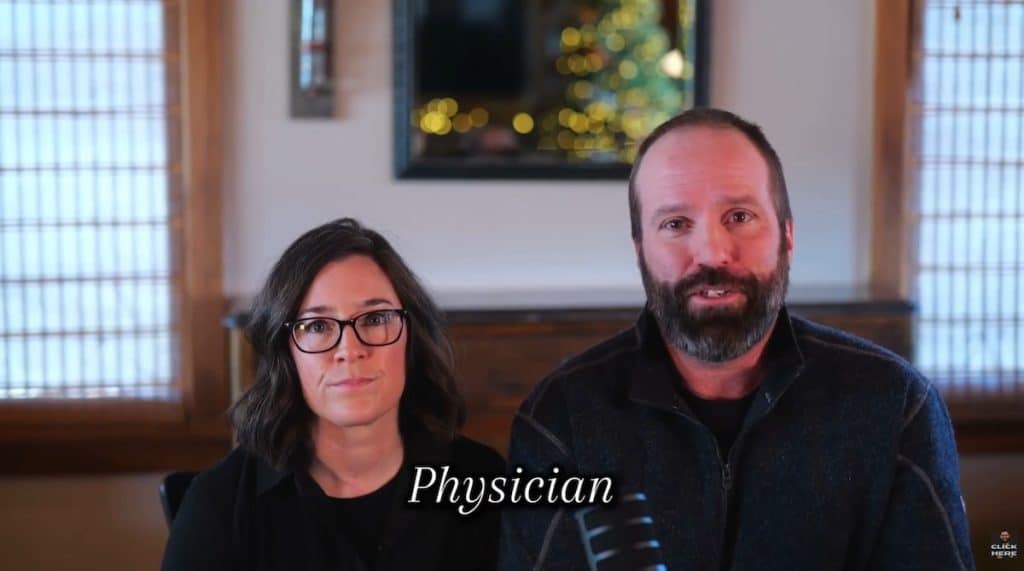
In this episode of the Nico Misleh Podcast, Nico sits down with Kelly and Tanner Buerger, two hospital-trained physicians who left parts of traditional practice to build Kyndl Health, a virtual clinic focused on hormone replacement, metabolic health, and patient-centered care. Their conversation moves between personal stories, clinical observations, and practical lessons about how providers can bring prevention and autonomy back into medicine.
From Hospital Medicine To Preventive Care
Kelly and Tanner met in training and spent a decade working as hospitalists while protecting time for family life. Their decision to start a clinic grew out of personal health struggles, a shared frustration with the limitations of sick-care models, and a desire to practice with more autonomy. Kelly’s own journey of secondary infertility, a struggle with sleep and anxiety, and finally relief after targeted hormone therapy became the catalyst. Tanner describes a similar shift: the desire to move from reactive inpatient work toward disease prevention and metabolic wellness.
Why Hormones Matter More Than Many Clinicians Realize
Both guests emphasize that formal training rarely covers the nuanced role sex hormones play in mood, sleep, metabolism, and recovery. They point out that endocrinology rarely appears in the hospital hallways, so many clinicians never see practical hormone work firsthand. That gap leaves patients and providers stuck using blunt tools instead of targeted interventions. Kelly’s experience with progesterone improved her sleep and anxiety and reframed her view on care priorities.
Culture, Ego, and the Slow Adoption of New Approaches
The conversation digs into why medicine can be defensive. Years of high-stakes training encourage certainty; admitting ignorance feels risky. Nico, Kelly, and Tanner note that the modern patient has different expectations. People research, ask questions, and want nuance. Younger patients often push back against one-size-fits-all prescriptions and seek providers willing to say, “I don’t know, let’s explore it together.”
That cultural shift is nudging specialists to reconsider where hormone therapy fits. The guests believe more clinicians will embrace hormone-based approaches once they see consistent, patient-centered outcomes and new research aligns with clinical experience.
Building a Clinic Without Losing Family Life
Kyndl Health launched as a virtual practice in Colorado to keep overhead low and allow the founders to balance clinic growth with hospital shifts and parenting. They intentionally avoided overlap in their hospital schedules so one parent is always available for their son. Their early approach values slow, steady growth over immediate scale. They currently manage hormone replacement and weight loss work, often combining GLP-1 therapies with metabolic and hormonal optimization.
They stress process over perfection. Eleven months from concept to turning on an EMR, they focused on forward movement and accepted being beginners in business tasks. That willingness to be imperfect, to learn, and to stay aligned on decisions helped reduce friction as they launched.
Clinical Philosophy and Practical Takeaways
- Prioritize prevention: Shift some energy toward metabolic health and hormone balance before diseases become acute.
- Listen to the patient: Treat the person’s symptoms, not only lab cutoffs. Symptoms often point to treatable hormone imbalances even when numbers sit in gray zones.
- Balance risk and quality of life: Discuss relative risks with patients; many will accept some risk for meaningful symptom relief.
- Use technology wisely: Virtual care and direct lines of communication (text or secure messaging) reduce friction and help patients stay engaged.
Where Kyndl Health Is Headed
The couple expects to scale the clinic slowly and thoughtfully. Kelly imagines a near-term full-time shift into hormone and metabolic care with occasional hospital shifts for support. Tanner leans toward a hybrid model that includes primary care elements and an ongoing role advocating for patients in the hospital when needed. Both see a future where hormone optimization becomes standard across specialties, including cardiology and psychiatry, as evidence and demand grow.
FAQ
Q: What services does Kindle Health provide?
A: Kindle Health focuses on hormone replacement therapy, metabolic health, and weight-loss support, including GLP-1 therapy. The practice integrates symptom-driven hormone care with metabolic optimization and individualized plans.
Q: Is Kindle Health virtual or in-person?
A: Kindle Health launched as a virtual clinic to manage overhead and support flexible schedules while serving patients across Colorado and beyond.
Q: How do Kelly and Tanner balance clinic work with hospital shifts?
A: They avoid schedule overlap so one parent can be home with their son. This lets one of them handle clinic tasks on off days and keeps family time protected while they scale the practice slowly.
Q: Why should clinicians learn more about hormone therapy?
A: Hormones often drive mood, sleep, and metabolic symptoms that general training overlooks. Learning targeted hormone care can expand options for patients and shift practice toward prevention and improved quality of life.
Final ThoughtsThe conversation with Kelly and Tanner highlights a practical path toward patient-centered care: combine personal experience with clinical curiosity, protect family and autonomy, and accept the learning curve of building something new. For daily insights, clinical reflections, and short, practical nudges to level up your clinic, join Nico’s FREE Daily Newsletter!