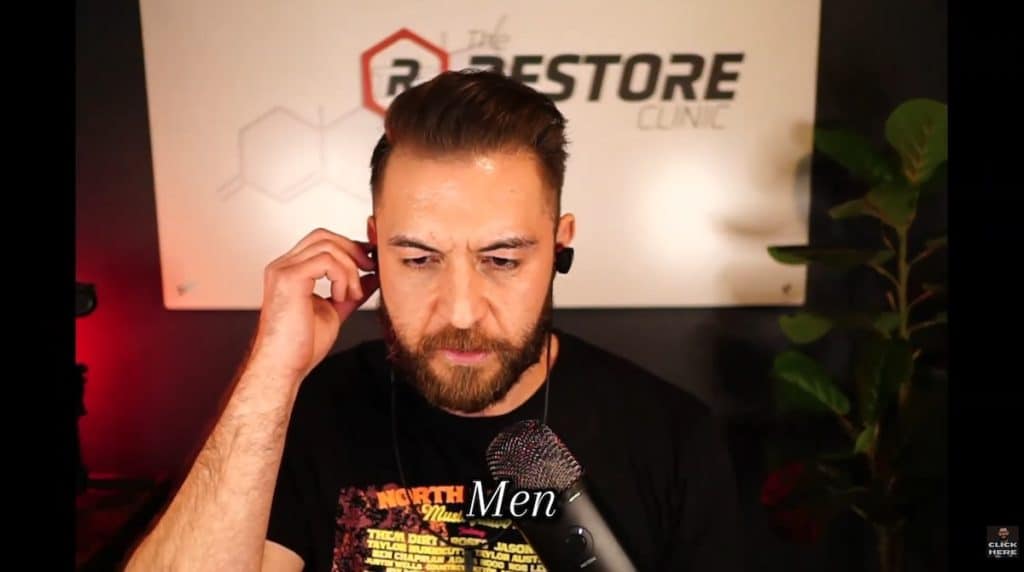
In this episode of the Nico Misleh Podcast, Nico sits down with Justin Groce to map a career that moved from strength and conditioning to nurse practitioner, clinic owner, educator, and content creator. Their conversation explores why a health-first approach to hormones matters, how to build a clinic without sacrificing family life, and why authenticity is the single biggest advantage for clinicians today.
From Personal Trainer To Nurse Practitioner
Justin’s early career in strength and conditioning shaped the way he treats patients. He started as a personal trainer and nutrition coach, working odd hours, running bootcamps, and solving practical problems for men who wanted to perform better. That hands-on experience exposed the limits a trainer can hit without medical training. He chose to become a nurse practitioner so he could bridge coaching and medicine and deliver a full-spectrum approach to men’s health.
Health-First, Not a Quick TRT Fix
Rather than branding the clinic as a testosterone replacement therapy shop, Justin built a practice focused on whole-person optimization. Appointments are lengthy and comprehensive, often 40 minutes, because the clinic addresses nutrition, mindset, relationships, career, and hormones together. The point is clear: a man’s bloodwork does not define him. Treatment should consider his role in family and society and aim to restore function across the board.
Slow Growth, Then Scale: The Business Arc
Restore Clinic began part-time. Justin ran sessions early mornings, late nights, and weekends while maintaining other work. After about a year to 18 months, demand picked up, and the clinic reached a tipping point. His practical advice for clinicians is simple: start where you can, be consistent, and scale. If part-time effort already covers a meaningful share of income, full-time work will amplify results.
Pivot To Telehealth and National Reach
COVID created an inflection point. A brick-and-mortar practice transitioned to telehealth, and the convenience resonated with patients. Telehealth allowed Justin to expand beyond Tennessee, drawing men from across the country. The clinic’s adoption of remote care highlighted one idea Justin repeats often: when the system changes, adapt early and decisively.
Content With Purpose: Educate First
Justin’s social media success isn’t accidental. He chose to educate men so they could advocate for themselves. That drove his content strategy: short, honest, practical videos that reduce fear and explain what hormone care can and cannot do. He rejects glossy sales pitches and private equity-driven protocols and instead offers plain talk about injections, needle sizes, qualification criteria, and realistic outcomes.
How Authenticity Turns Into Patients
Justin emphasizes that showing up consistently and honestly converts. He does not run paid social campaigns; he creates content and lets the algorithm find the right people. Even modest follower numbers can produce highly valuable patients. A small conversion rate from targeted content can be enough to build a sustainable practice.
Balancing Family, Faith, and Work
Fatherhood changed how Justin spends his time and priorities. He protects daily family blocks and delegates more at work. The practical effect is less wasted energy on things outside his household, more invested time in marriage and parenting, and a clearer sense of what truly matters. For Justin, the marriage is the foundation; protecting it allows everything else to grow.
Industry Outlook: HRT as Foundational Care
Justin sees hormone replacement as a foundational element in preventative and restorative care. He expects growth and wider adoption across specialties, along with the inevitable appearance of bad actors. His recommendation to clinicians is optimistic and pragmatic: keep learning, remain ethical, and use content to educate patients so they avoid low-quality cash-grab clinics.
Practical Takeaways For Clinicians and Clinic Owners
- Start small, scale deliberately: build part-time and transition as demand grows.
- Prioritize long visits: health optimization requires time to assess lifestyle, relationships, and goals.
- Be authentic online: honest, short content builds trust faster than polished ads.
- Protect home life: schedule family time and delegate clinical tasks to avoid burnout.
Learn More Insights On How To Scale Your Clinic
For readers who want practical, daily insights on clinical care, business, and men’s health, sign up for Nico’s FREE Daily Newsletter! Yes, it’s every day, and subscribers stay because the content is useful, direct, and immediately actionable.
FAQ
Q: How did Justin transition from trainer to nurse practitioner?
A: He had an undergraduate background in exercise physiology and spent years coaching clients before deciding the medical degree would let him treat beyond coaching limits. Becoming an NP allowed him to combine nutrition, training, and medical treatment into a single practice.
Q: What makes a health-first hormone clinic different from a TRT clinic?
A: A health-first clinic treats hormones as one part of a whole-person plan. Visits cover lifestyle, mindset, relationships, and medical therapy. The aim is optimization, not quick fixes tied to a one-size-fits-all protocol.
Q: How should clinicians approach content creation?
A: Be authentic, show up consistently, and focus on educating people so they can advocate for themselves. Short practical videos that answer common questions attract the right patients and build trust over time.
Q: How can clinic owners balance growth and family life?A: Delegate operational tasks, protect daily family blocks in the calendar, and keep a tight schedule so small pockets of time are used efficiently for both work and home priorities.