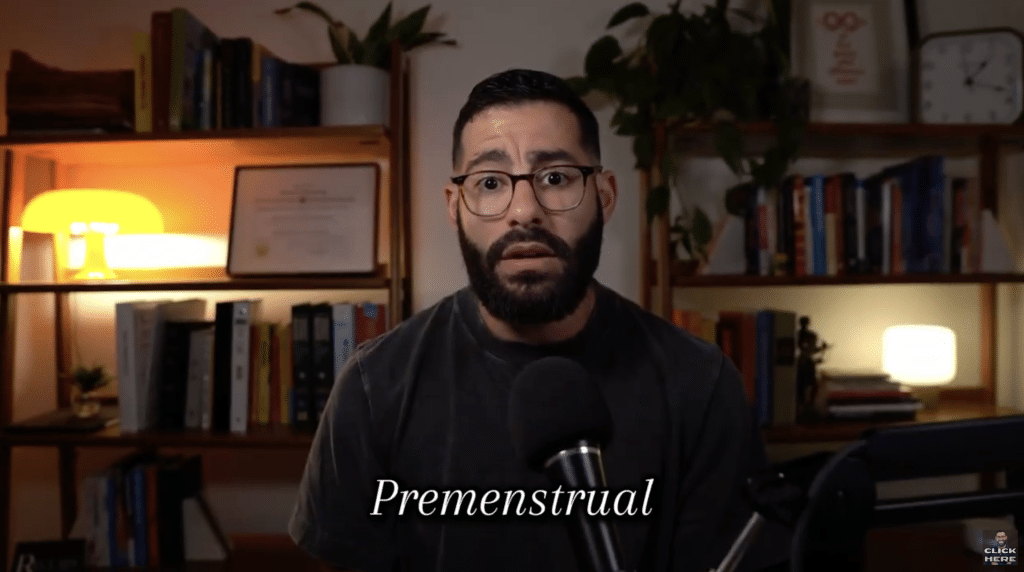
In this solo episode, host Nico Misleh dives into a topic he was repeatedly asked to cover: progesterone. Nico explains why clinicians often mismanage hormones, how progesterone has been misunderstood for decades, and practical steps clinicians and patients can use today. He credits early thinkers like Dr. Ray Peat and shares patient examples, scientific context, and real-world treatment ideas.
Introduction: Why This Episode Matters
Nico begins by saying he was asked to do more clinical episodes and that this one on progesterone was highly requested. He frames progesterone as one of his favorite hormones, largely because of the way it balances estrogen and supports brain, immune, and metabol-ic health. Nico also names his influences, especially Dr. Ray Peat, who shaped much of his thinking about hormones and metabolic health.
Who Inspired Nico: Ray Peat & The Hormone Lens
Nico points to Dr. Ray Peat, a biologist who spoke about hormones and metabolic health long before many mainstream voices. Peat emphasized the role of progesterone and thyroid in protecting people from modern stressors. Nico credits Peat with giving him permission to seriously consider hormone replacement as a valid and sometimes necessary intervention.
Progesterone Basics: What It Does
Progesterone is a calming, pro-metabolic hormone. It balances estrogen, supports thyroid function, feeds the mitochondria, and helps the brain feel safe. In short, progesterone helps with sleep, stress resilience, mood stability, and energy production.
Nico compares hormones to coffee: estrogen can be like a cup of coffee, stimulating and energizing in the right amount, but anxiety-provoking in excess. Progesterone is the counterbalance; it calms and grounds the nervous system, acting in a GABA-like way.
Progesterone vs Progestins: A Critical Difference
Nico stresses a major and often-missed point: progestins are not the same as bioidentical progesterone (P4). Progestins are synthetic molecules used in many common medications. They often behave differently from the natural hormone and can cause harmful effects when used long-term.
He gives a clear statement: many studies and guidelines have lumped progestins and progesterone together, and that has created confusion. The Women’s Health Initiative (WHI) used synthetic estrogen plus progestins and found harm. Because the drugs were labeled with terms like “progesterone” in some reports, progesterone got a bad reputation by association.
A PMDD Case That Changed A Provider
Nico shares the story of a young woman with severe premenstrual dysphoric disorder (PMDD). She had terrifying mood swings during the luteal phase, weeks of intense anxiety and irritability that strained her marriage. Conventional care had offered antidepressants or, in extreme cases, ovariectomy or chemical suppression.
Instead, Nico took a root-cause approach. He reviewed the literature, noted how prior studies used the wrong types or doses, and focused on correcting hormonal balance. He combined lifestyle and environmental changes with bioidentical progesterone. The result was dramatic: the patient reported relief and could enjoy normal life and family activities. Nico calls that moment a turning point.
Why Hormonal Issues Are Rising: The Modern Toxic Soup
Nico points to multiple modern contributors:
- Endocrine-Disrupting Chemicals: Xenoestrogens in plastics, shampoos, personal care items, furniture, and food packaging.
- Poor Liver Detox Capacity: This can be due to diet, toxin load, and low thyroid function, leading to higher effective estrogen exposure.
- Chronic Stressors: Things like commuting, screen time, blue light exposure, social media, and constant low-grade stress that the body reacts to even when it’s not consciously felt.
- Dietary Patterns: Things that increase gut inflammation and endotoxin release (lipopolysaccharides) into the bloodstream.
The combined effect raises net estrogen action while progesterone falls relatively short. That imbalance generates symptoms like anxiety, insomnia, mood swings, fibroid growth, and worse outcomes over time.
Practical Approach: Lifestyle, Environment, and Hormones
Nico outlines a stepwise approach that he used with patients:
1. Identify and reduce stressors. Help patients recognize stress that feels “normal” but is biologically impactful (commutes, doomscrolling, chronic caffeine, disrupted sleep).
2. Reduce exposure to endocrine disruptors. Ask about shampoo, deodorant, makeup, bedding materials, laundry detergents, and suggest safer alternatives over time.
3. Improve gut health and digestion. For some patients, raw large salads can be hard to digest. Support digestion, regular bowel movements, and reduce foods that trigger gut inflammation.
4. Support thyroid health. Progesterone and thyroid support each other; improving one often helps the other.
5. Consider targeted bioidentical progesterone. Often in the luteal phase or as needed during symptomatic windows, with doses adjusted to effect.
One counterintuitive but practical tip Nico emphasizes: make sure patients are having at least one daily bowel movement. Regular clearance reduces reabsorption of hormones and endotoxin exposure.
Progesterone Dosing, Cycling, and Cautions
Nico shares clinical dosing perspectives and cautions. He notes that older studies sometimes used low oral doses of bioidentical progesterone (e.g., 100 mg) and found minimal effect. In practice, clinicians sometimes use 200 mg oral progesterone in the luteal phase or at times of symptom spike.
Key cautions:
- Do not blanket-suppress cycles with continuous progesterone unless that is the explicit goal (some women still need a natural cycle).
- Too much progesterone can suppress ovulation in some women. Respect the power of the hormone.
- Bioidentical progesterone can have strong effects; dose to symptom response and monitor sleep, mood, and bleeding patterns.
Progesterone For Men and Critical Studies
Nico also addresses progesterone use in men. He rejects the old myth that men never need progesterone. Men make small amounts of progesterone and have receptors throughout their bodies. In certain situations (sleep problems, benign prostatic hyperplasia (BPH), acute inflammatory states, low-dose progesterone can help.
Notably, Nico mentions research using progesterone in men hospitalized with COVID. Those studies found lower inflammation and faster recovery in men who received progesterone compared with controls. He uses that example to illustrate how progesterone can be pro-metabolic and anti-inflammatory beyond reproductive health.
The WHI Mistake and Its Ripple Effects
The Women’s Health Initiative (WHI) used conjugated equine estrogens and progestins. Because progestins are often labeled loosely as “progesterone” in summaries, the findings led to blanket fear of “progesterone” even though bioidentical P4 behaves differently.
Nico urges clinicians to learn this distinction. Progestins, not bioidentical progesterone, are associated with many of the adverse outcomes described in historical trials. That simple confusion has kept many clinicians from using a tool that can be helpful when used properly.
How Providers Can Do Better
Nico calls on clinicians (physician assistants, nurse practitioners, doctors, and other providers) to be curious and to push beyond simple, routine fixes like defaulting to SSRIs for PMDD or immediately suppressing ovarian function. He urges providers to:
- Learn the difference between progestins and bioidentical progesterone.
- Consider root-cause thinking: diet, environment, gut health, thyroid, and hormonal balance.
- Use hormone therapy thoughtfully and incrementally. Treat the person, not just the label.
- Educate patients clearly about why a stepwise plan is being recommended.
FAQ
Q: Are progestins the same as progesterone?
A: No. Progestins are synthetic molecules that do not act the same way as natural, bioidentical progesterone (P4). Mixing these terms has led to years of confusion and poor clinical decisions.
Q: Will progesterone act as birth control?
A: At high, continuous doses, some forms of progesterone can suppress ovulation and act like contraception. However, when used judiciously in the luteal phase or at targeted times, bioidentical progesterone typically supports cycle balance rather than acting as birth control.
Q: Can men take progesterone?
A: In selected cases, yes. Low-dose progesterone can help men with sleep issues, BPH symptoms, or severe inflammatory states. It must be used thoughtfully and monitored.
Q: What dose of progesterone is effective for PMDD?
A: Studies vary, and individual response varies. Clinically, Nico has seen meaningful responses with higher oral doses (e.g., around 200 mg) during symptomatic periods, combined with lifestyle and thyroid support. Dosage should be individualized.
Q: How do environmental toxins affect hormones?
A: Endocrine disruptors, or xenoestrogens, mimic estrogen in the body and raise the effective estrogen exposure. This creates a relative progesterone deficiency, contributing to mood symptoms, inflammatory conditions, and reproductive disorders.
Conclusion
Nico’s message is clear: progesterone is an underappreciated, powerful hormone that deserves careful study and sensible use. He asks clinicians and patients to rethink old assumptions, learn the difference between progestins and progesterone, and adopt a root-cause approach that includes lifestyle, environmental changes, and targeted hormone therapy when appropriate.
If you want more clinical insights, daily education, and practical business and practice tips from Nico, sign up for his FREE Daily Newsletter! It’s written by Nico every weekday and designed to be practical, no-fluff, and immediately useful.
Nico encourages clinicians to stay curious, to be brave in learning new things, and to treat patients with thoughtful, evidence-informed care. He believes that when clinicians take the time to understand hormones deeply, they can change lives. Sometimes, with a single, well-timed dose of progesterone and a sensible plan that addresses toxicity, thyroid function, diet, and stress.