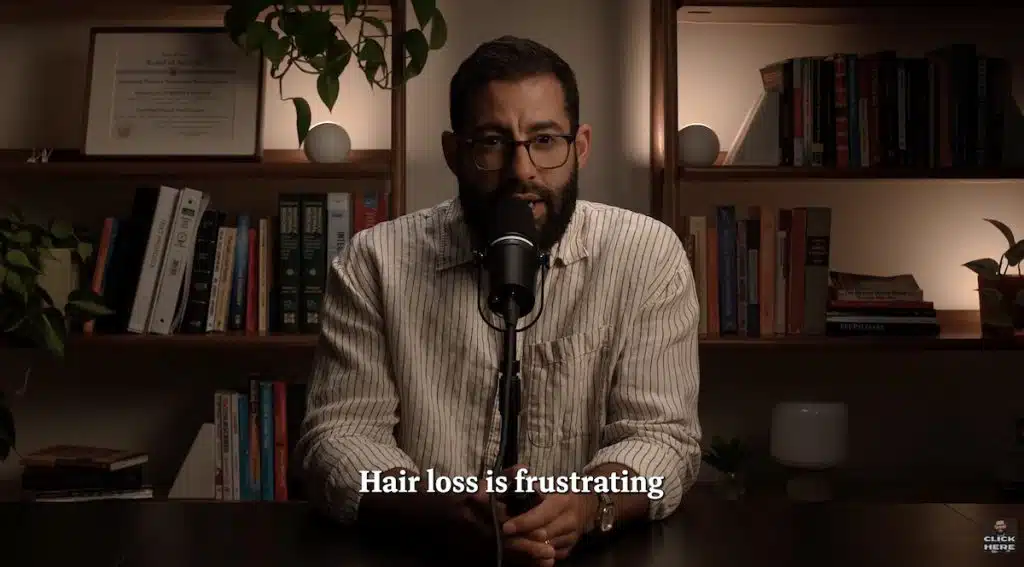
In this episode of the Nico Misleh Podcast, Nico shares a deeply personal and professional reflection on what it truly means to grow as a healthcare provider. Drawing from his own experiences in hormone replacement therapy, he discusses how early beliefs, mentor influence, and cognitive bias can limit patient outcomes when providers are unwilling to question what they think they know.
At the center of this conversation is a powerful reminder. Being wrong is not a failure. Refusing to evolve is.
Being Wrong Does Not Make You a Bad Provider
Nico opens the episode by addressing a belief he once held strongly. For years, he was taught that progesterone had no place in male hormone therapy. That belief was reinforced by mentors, early studies, and long standing assumptions about hormone physiology.
Over time, deeper research and real world patient outcomes challenged that position. Nico explains how fear of being wrong can quietly turn into dogma, preventing providers from offering better care even when new evidence is available.
Progesterone for Men and the Role of Cognitive Bias
As Nico learned more from the literature and from respected physicians like Dr. Terry Hertoghe, he began to understand progesterone in a new light. While progesterone is often associated with female physiology, small doses can be profoundly beneficial for certain male patients.
He reflects on patients he treated earlier in his career who struggled with anxiety, sleep disruption, PTSD symptoms, sexual dysfunction, and urinary issues. In hindsight, many of these men may have benefited from low dose progesterone support.
This realization highlights an uncomfortable truth. Cognitive bias can blind even well intentioned providers.
Why Admitting You Were Wrong Improves Patient Care
Nico emphasizes that patients do not lose trust when providers admit they were wrong. In fact, transparency and humility often build trust.
He uses a surgical analogy to illustrate this point. Medicine evolves. Procedures improve. Providers who refuse to adapt out of pride or embarrassment deny patients better outcomes.
Being willing to say, “I learned something new” is a sign of competence, not weakness.
Evidence, Experience, and Real World Outcomes
Throughout the episode, Nico outlines a simple framework for evaluating new information:
- What does the literature show?
- Is there growing clinical consensus?
- Do real world patient outcomes support it?
When all three align, providers have a responsibility to listen. Standing firm in outdated practices to protect ego ultimately harms patients.
Learning From Experience Without Shame
Nico stresses the importance of grace in healthcare education. Many providers receive little to no formal training in hormone replacement therapy. Ignorance does not equal incompetence. It simply means the provider has not yet been exposed to better information.
The real issue arises when providers refuse to learn after being presented with credible evidence.
Creating a Culture of Growth and Peer Support
One of the most encouraging parts of the episode is Nico’s reflection on the HRT University community. He describes a shift toward peer to peer learning, grace, and shared growth rather than judgment and gatekeeping.
This type of environment allows providers to ask questions, make adjustments, and improve patient outcomes without fear of ridicule.
Final Thoughts
At its core, this episode is about peace. Peace with learning. Peace with growth. Peace with being human.
Healthcare providers do not own ideas. They steward them. The ultimate goal is not to be right. The goal is to provide better outcomes for patients and better education for the next generation of clinicians.
Links Mentioned in This Episode
- HRT University
https://hrtuniversity.com - Nico’s Daily Email
https://nicomislenp.kit.com/8050eeea5f
HRT University Facebook Group
https://www.facebook.com/groups/1179376819949373/?ref=share&_rdr