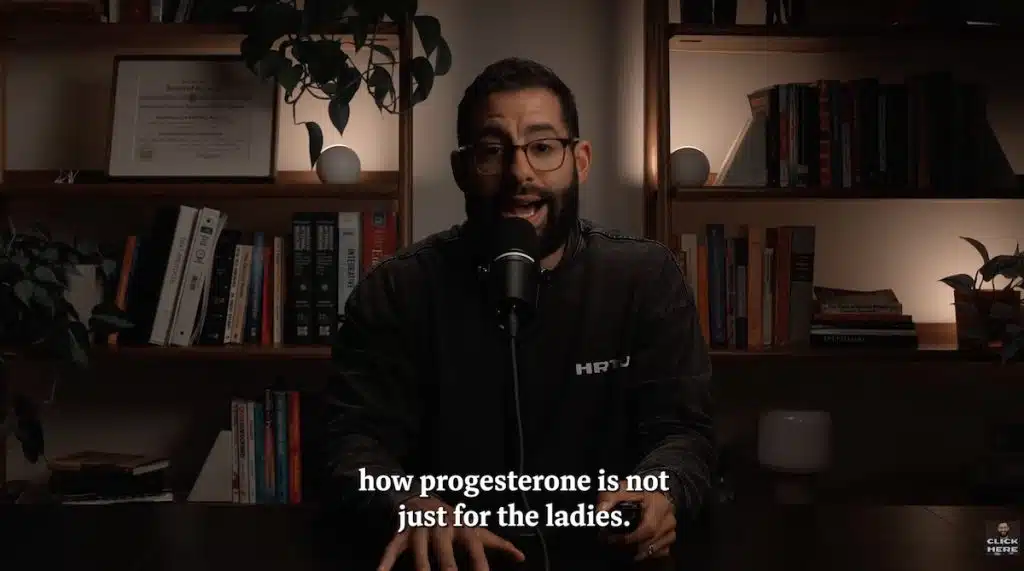
In this episode of the Nico Misleh Podcast, Nico argues that hormone replacement therapy (HRT), especially bioidentical hormones and testosterone replacement therapy (TRT), is a foundational medical tool that every provider should understand. He believes HRT is safe, effective, and far from a fringe approach.
Why Nico Says HRT Matters To Every Medical Provider
Nico explains that hormones touch every biological system in the body. That means HRT is relevant to psychiatrists, cardiologists, surgeons, primary care doctors, endocrinologists, urologists, OB/GYNs, orthopedists, and rehab specialists. He argues that even if a provider does not prescribe HRT directly, they should understand its basics so they can advise patients or coordinate care with colleagues.
Hormones are not optional. Nico uses strong language to stress that HRT is as foundational as clean water or sunlight when it comes to long-term health.
Clearing Up Common Confusions: Bioidentical vs Synthetic Hormones
Nico emphasizes that not all hormone treatments are created equal. He dislikes the term “BHRT” because bioidentical hormones are simply hormones, the kind the body naturally produces. He warns against using conjugated equine estrogens and synthetic progestins, which often behave differently from the body’s own hormones and carry different risk profiles.
In short, using hormones identical to those the body makes tends to be safer and more physiologic than older synthetic formulations.
Evidence and Benefits: Concrete Numbers and Life-Changing Outcomes
Nico cites literature showing large benefits from appropriate HRT and TRT. He highlights studies that suggest a:
- 40–60% reduction in all-cause mortality with HRT in certain populations, and
- About a 22% reduction in cardiovascular disease risk.
He also lists many other areas improved by hormones: bone density and osteoporosis prevention, muscle mass and strength, genitourinary health (vaginal dryness, recurrent UTIs), sexual function and libido, fertility support, insulin resistance, and potential protection against cognitive decline and Alzheimer’s disease.
When Common Treatments Miss The Root Cause
Nico pushes back on some widely used treatments that he considers less appropriate in many cases. Two examples he highlights:
- Oral contraceptives for cyclical migraines in young females: he suggests bioidentical progesterone is often a better, more physiologic choice than suppressing ovarian function with combined hormonal contraceptives.
- SSRIs for depression: he points out recent meta-analyses that question the serotonin hypothesis and argues that many mood symptoms are better seen as symptoms of underlying physiological problems, including hormonal imbalance. Treating those root causes can be more durable than defaulting to long-term SSRI therapy.
Practical Clinical Points Nico Stresses
Nico shares practical tips that reflect physiology, not just randomized trials. One clear example: how testosterone is dosed. He criticizes the common practice of giving a single large intramuscular testosterone injection every 3–4 weeks. Because testosterone esters have a half-life of roughly two weeks, that pattern creates peaks and troughs, a roller coaster effect that patients feel. Splitting doses more frequently prevents dramatic drops and improves the stability of symptoms and outcomes.
He also challenges outdated surgical practices that require stopping TRT before operations. He says the evidence does not support routine cessation and reminds providers to look at the literature rather than assume harms that aren’t proven.
Why Training and Community Matter
Nico acknowledges that most providers were not taught modern HRT in medical school. He recommends structured training and peer support so clinicians can learn to use hormones safely and effectively. He mentions his full HRT University course and community that helps clinicians gain confidence, practical skills, and mentorship. Tools that accelerate safe adoption of HRT in clinical practice.
How This Changes Patient Care
When providers understand hormones, patients receive care that addresses underlying physiology rather than only masking symptoms. That can mean fewer long-term harms, better quality of life, and improved longevity. Nico paints a picture where HRT becomes a routine part of preventing and treating chronic disease across specialties.
Conclusion
Nico’s core message is clear: hormones are central to health, and hormone replacement therapy is a powerful, evidence-backed tool that every provider should understand. HRT is not fringe; it is foundational medicine. Learning the right way to use physiologic, bioidentical hormones can change lives, reduce long-term disease, and improve outcomes across many specialties. Providers who invest time to understand HRT will be better equipped to help patients and will likely stand out in their communities for offering care that restores health at a fundamental level.
If you want daily practical ideas and updates about HRT, join Nico’s FREE Daily Newsletter! It delivers short, useful guidance every day for clinicians who want to learn how hormones fit into real-world patient care.
FAQ
Q: Is hormone replacement therapy safe?
A: When prescribed appropriately with physiologic, bioidentical hormones and monitored properly, HRT is generally safe and can provide major benefits. Many studies report reduced mortality and lower cardiovascular risk in patients receiving appropriate HRT.
Q: Does testosterone replacement increase clot or stroke risk?
A: Major trials and recent reviews do not support a consistent increase in clot or stroke risk from appropriately prescribed testosterone replacement. Decisions should be individualized and based on a full clinical assessment.
Q: Who should learn about HRT?
A: All medical providers (primary care, psychiatry, cardiology, surgery, gynecology, urology, rehab, and more) benefit from understanding HRT. Even if they don’t prescribe it, they will encounter patients affected by hormonal issues.
Q: At what age should HRT be considered?
A: HRT is not strictly age-dependent. It should be considered when patients have symptoms or lab evidence of hormone deficiency, whether they are young or older. Treating the biological need, not an arbitrary age cutoff, gives the best outcomes.
Final Note
Nico’s message is an invitation: learn about HRT, think physiologically, and put safe, effective hormonal care into practice. Your patients and the healthcare system will benefit.