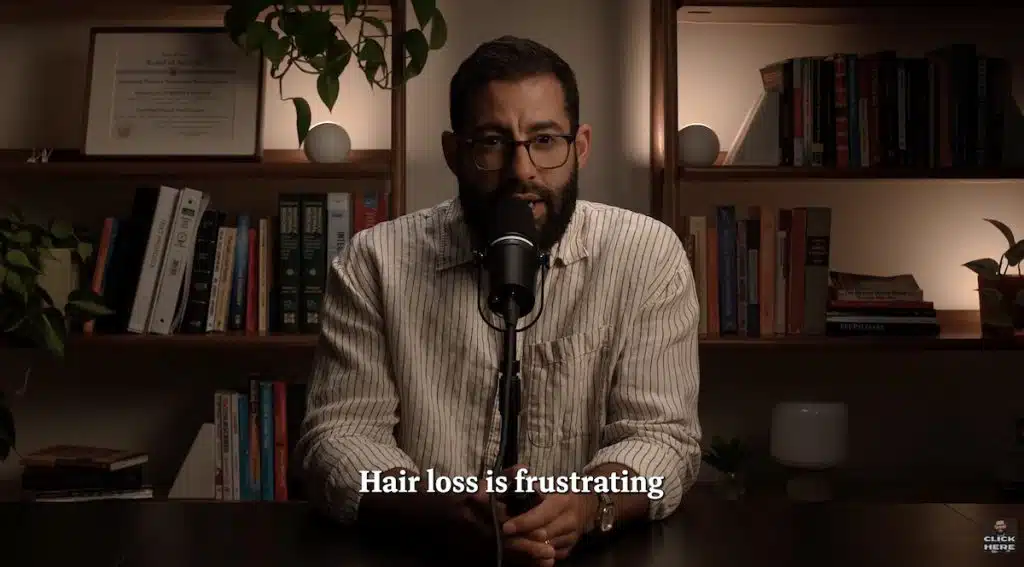
Nico Misleh delivers a straight‑talking solo episode aimed at clinic owners, clinicians considering private practice, and healthcare providers who want to run profitable, sustainable businesses. In this episode, he distills the core principles every practitioner must master to build a clinic that actually works, financially and personally. Nico’s message is direct, practical, and full of real‑world advice: building a successful health business isn’t automatic; it’s intentional. Below is a clear breakdown of the five non‑negotiables he shared, why they matter, and how to apply them to your practice.
Why This Matters
Many clinicians imagine that qualifications and clinical skill automatically translate into a busy practice and financial freedom. Nico cuts through that myth. He argues that education and credentials are necessary, but not sufficient. Without the right actions, systems, mindset, and long‑term plans, a clinic will struggle. The good news: these are learnable skills. If you’re willing to be deliberate, persistent, and honest with yourself, you can build the practice and life you want.
The 5 Essentials Every Clinic Owner Must Master
Nico frames his guidance around five main principles.
- Accept that you don’t deserve results by default. Take action.
- Create repeatable systems so the business can run without you 24/7.
- Learn to sell, ethically and confidently.
- Stop obsessing over competitors; lead with authenticity.
- Build a long‑term vision and plan for your clinic.
1. Accept That You Don’t Deserve Results By Default (Take Action!)
Nico’s first and perhaps bluntest point: credentials don’t equal customers. The idea that a diploma or a good reputation will automatically make people walk through the door is a fantasy. Clinics don’t fill themselves. The people who succeed are the ones who take relentless action: networking, boots‑on‑the‑ground marketing, community outreach, and consistent patient acquisition efforts.
Action creates competence, and competence creates confidence. If your clinic is quiet, don’t wait for confidence to appear; create it by doing. Every cold call, community talk, or referral conversation increases your clarity about what works and what doesn’t. Execution trumps passive hope.
Practical Steps For Action
- Start a weekly marketing routine: community outreach, referral calls, and content creation.
- Track what converts: which events, messages, or referral sources bring real patients.
- Be consistent for 90 days. Momentum compounds; small actions become big results.
2. Create Repeatable Systems
Systems are the difference between a hobby clinic and a scalable, sellable business. Nico stresses that even clinicians who hate paperwork and process must put systems in place. These include intake protocols, scheduling flows, billing procedures, and standard operating procedures (SOPs) for every recurring task.
Systems grant freedom: they free the owner from being the sole bottleneck and allow the clinic to deliver consistent care without burning out the clinician. If you aren’t naturally good at organizing, hire for it. Spend money early on systems and operations so you can spend time later on growth and life.
Systems Checklist
- Document SOPs for patient flow, intake, follow‑up, and billing.
- Use simple tools (calendar integrations, EHR templates, task lists) to automate routine tasks.
- Hire or partner with someone who enjoys operations if it’s not your strength.
- Audit and improve systems quarterly so they keep up with growth.
3. Learn To Sell Ethically & Confidently
Nico confronts a common cultural block among clinicians: the idea that selling is sleazy or incompatible with helping. He rejects that notion. Selling, in the clinical context, is about communicating value clearly and inviting patients to options that will improve their lives. You can only sell a service you truly believe in, and belief comes from evidence, outcomes, and seeing patients get better.
To sell ethically and confidently, you must: 1) believe in the treatment or service, and 2) learn the conversational skills to present it. Nico suggests studying basic sales frameworks, practicing one‑on‑one conversations, and using proven scripts until you make them your own.
How To Get Better At Selling
- Practice discovery conversations that uncover patients’ goals and pain points.
- Use evidence and case examples to explain how your treatment helps.
- Role‑play consults with staff to reduce discomfort and improve clarity.
- Study simple sales training resources online—apply the tactics to healthcare conversations.
4. Stop Obsessing Over Competitors; Lead With Authenticity
Competition can help you learn, but mimicry is a trap. Nico warns against building a clinic that looks like everyone else’s because “cool” aesthetics or trendy branding don’t replace substance. Patients sense authenticity. They want to feel like they’re entering a place that reflects real values (yours), not a copy of an Instagram showroom.
Being a leader in your market comes from obsessing over your patients’ experience, not obsessing over what the clinic down the street is doing. Make things simpler, more delightful, and more effective for your patients. Build systems, refine processes, and relentlessly remove friction. That kind of obsessiveness wins.
Tips For Leadership & Brand Authenticity
- Be who you are. Let the clinic reflect your personality and values.
- Focus inward: perfect your service delivery rather than track competitors’ aesthetics.
- Lead by example. Teach your staff to deliver the same standards of care and service.
5. Build A Long-Term Plan & Vision For Your Clinic
One of the most overlooked skills in practice ownership is long‑range thinking. Nico urges owners to ask the hard question: “Where will this business be in ten years?” The answer should drive daily decisions. Do you want to scale and sell? Do you want to hire managers and step back? Is this a long‑term legacy practice you’ll maintain until retirement? Your strategy depends on the answer.
Vision keeps you from getting lost in daily busywork. It also helps you design systems that make the business transferable. If you hope to sell one day, build processes and a team so the business isn’t a single‑person dependency.
How To Create Concrete Vision Tasks
- Write a 1‑year, 5‑year, and 10‑year plan for the clinic with measurable goals.
- Identify exit scenarios: sale, partnership, family succession, or controlled wind‑down.
- Build metrics to monitor progress: patient volume, retention, revenue per patient, and staff efficiency.
Putting The Five Essentials Into a Simple Framework
Nico’s framework can be summarized as: act, systemize, communicate value, lead authentically, and plan for the future. This isn’t theoretical; each component reinforces the others. Action reveals what systems are needed. Systems free time to sell and refine the patient experience. Selling grows revenue, which funds better staff and infrastructure. Authentic leadership builds reputation, and vision makes everything sustainable.
Common Mistakes Nico Sees, And How To Avoid Them
- Waiting for business to show up. Avoid by scheduling daily outreach tasks and tracking results.
- Underinvesting in operations. Avoid by budgeting early for at least one support hire or a systems consultant.
- Refusing to sell. Avoid by practicing consult conversations and reframing sales as helping.
- Copying competitors without differentiating. Avoid by auditing the patient journey and adding personal touches.
- No exit plan. Avoid by documenting SOPs, building a manager role, and cleaning financials annually.
FAQ
Q: I’m a clinician and hate selling. Can I still succeed?
A: Yes. Nico emphasizes that selling is a learned skill. Reframe selling as guiding a patient to a choice that will help them. Start small: practice discovery conversations, use evidence to support recommendations, and role‑play with a colleague. Over time, it will feel natural.
Q: How do I begin creating systems if I’m a solo practitioner?
A: Begin by documenting the repetitive tasks you do every week. Start with intake and patient follow‑up. Create simple checklists or templates. Use a shared drive or software for these documents. If systems aren’t your strength, budget to hire a virtual assistant or practice manager to help organize them.
Q: Should I copy successful clinics near me?
A: Learn from them, but don’t copy blindly. Take operational ideas that make sense, but infuse your clinic with your voice and patient experience. Authenticity wins over imitation.
Q: When should I plan to sell my clinic?
A: Planning to sell should begin years before you intend to exit. Build systems, reduce owner dependence, clean up financials, and document processes so a buyer can take over without the clinic collapsing. Think about the buyer profile, what would they value?
Q: How can I get daily momentum without burning out?
A: Automate and delegate where possible. Set a compact daily routine: 30–60 minutes of outreach or content creation, and blocks for patient care. Use systems to eliminate decision fatigue and protect your energy for high‑value tasks.
Final Takeaways
Nico’s message is blunt but empowering: success in clinic ownership doesn’t come from credentials alone. It comes from action, repeatable systems, learning to sell with integrity, authentic leadership, and a long‑term vision. These are skills you can develop. They are not glamorous, but they’re the difference between a side hobby and a life‑changing business.
If you want daily practical tips to keep momentum and keep learning, join Nico’s Daily Newsletter! Yes, it’s emailed every day, and people stay subscribed.
Sign up and get small, actionable ideas delivered daily to your inbox. For clinicians who are serious about building a practice that lasts, a daily nudge can change everything.
Be deliberate. Build systems. Practice selling as helping. Lead with who you are. And plan where you want to be in five and ten years. Do that, and the life and business you deserve can become real.